
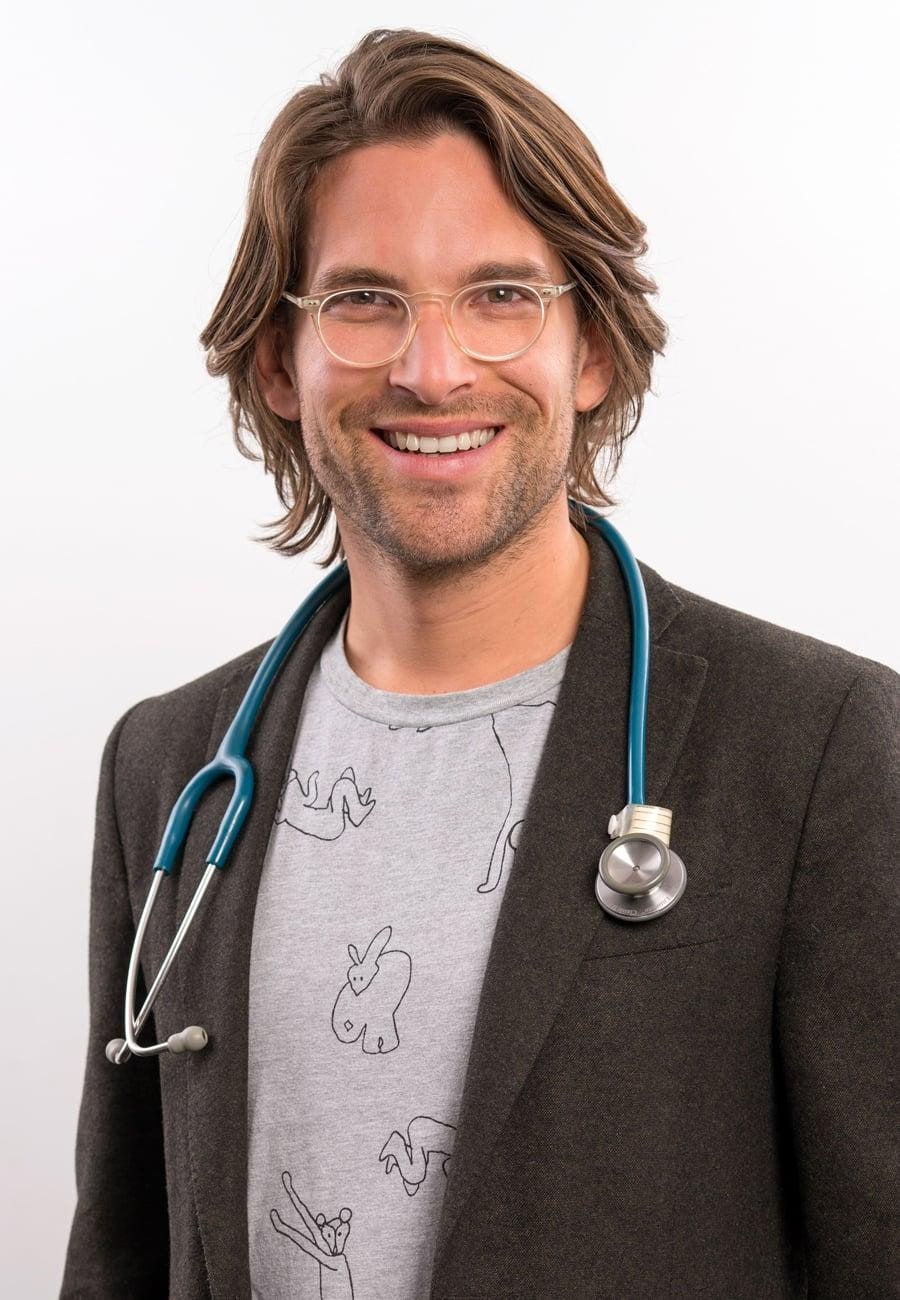
In an era where global health challenges are increasingly defined by lifestyle and environmental factors, few figures have emerged as effectively as Dr. Sandro Demaio. An Australian medical doctor, researcher, and seasoned executive, Demaio has carved a unique niche at the intersection of clinical medicine, public policy, and media advocacy. His work addresses the "silent epidemic" of the 21st century: non communicable diseases (NCDs) and the fragile state of our global food systems.
The Foundations of a Global Strategist
Dr. Demaio’s career began with the immediate, high stakes environment of clinical care at The Alfred Hospital in Melbourne. While the hospital provided a front row seat to the consequences of chronic illness, Demaio recognized that treating patients one by one was not enough to stem the tide of a global health crisis. This realization sparked a transition from the bedside to the global stage.
His academic journey is as rigorous as it is diverse. Holding a Master’s degree in Public Health and a PhD in non communicable diseases from the University of Copenhagen, Demaio solidified his expertise through prestigious fellowships at Harvard Medical School, Johns Hopkins Bloomberg School of Public Health, and the University of Melbourne. This deep educational foundation allowed him to bridge the gap between complex epidemiological data and actionable health strategies.
Pioneering Movements and Global Influence
In 2012, Demaio co-founded NCDFREE, a global social movement designed to use storytelling to advocate for change in how we treat and prevent chronic diseases. By leveraging digital media and community engagement, he proved that public health could be a vibrant, grassroots conversation rather than just a bureaucratic one. This theme of community engagement continued with festival21, an annual event in Melbourne that celebrated the intersection of food, culture, and sustainability.
Demaio’s ability to navigate high level policy led him to the World Health Organization (WHO) in Geneva. As a Medical Officer for Non communicable Conditions and Nutrition, he worked within the Department of Nutrition for Health and Development, helping to shape global standards for diet and disease prevention.
Leading the Food System Transformation
Perhaps his most internationally recognized contribution came during his tenure as CEO of the EAT Foundation in Oslo. EAT is the science based global platform for food systems transformation, and under Demaio's leadership, it helped spearhead the EAT Lancet Commission on Food, Planet, and Health. This landmark report provided the first scientific targets for a healthy diet that stays within "planetary boundaries."
Demaio’s genius lies in his ability to translate this high level science into the kitchen. His book, Doctor’s Diet, was born from this mission, offering a guide to nutrition that prioritizes both evidence based health and the joy of gastronomy. He demonstrated that a sustainable diet is not one of restriction, but of diversity and high quality, plant forward ingredients.
A Trusted Voice in Media and Policy
Returning to Australia to serve as the CEO of the Victorian Health Promotion Foundation (VicHealth) in 2019, Demaio became a central figure in the nation's health response. His leadership focused on health equity, mental wellbeing, and the commercial determinants of health specifically how corporate interests impact public wellness.
Beyond the boardroom, Dr. Demaio is a household name through his work on the ABC and Netflix series Ask the Doctor and his contributions to Magda’s Big National Health Check. Through these platforms, he has mastered the art of science communication, making health literacy accessible to millions. Whether he is discussing the benefits of a Mediterranean style diet or the impacts of climate change on food security, his message is grounded in the 35+ scientific papers and 110 articles he has authored for journals like The Lancet.
The Legacy of a "Planetary Health" Advocate
Dr. Sandro Demaio’s career serves as a roadmap for the future of medicine. He advocates for a "planetary health" approach the idea that human health and the health of our planet are inextricably linked. For those in the industries of gastronomy, nutrition, and public policy, his work is a testament to the fact that evidence based science can be a powerful tool for social change when combined with creative communication.
As he continues his work, now leading the WHO Asia Pacific Centre for Environment and Health, his focus remains steadfast: building a world where the healthy choice is the easy choice. His legacy is one of transformation moving us away from a system that merely treats sickness toward one that actively cultivates global wellness.


